The Chemistry of Custom Gold Jewelry
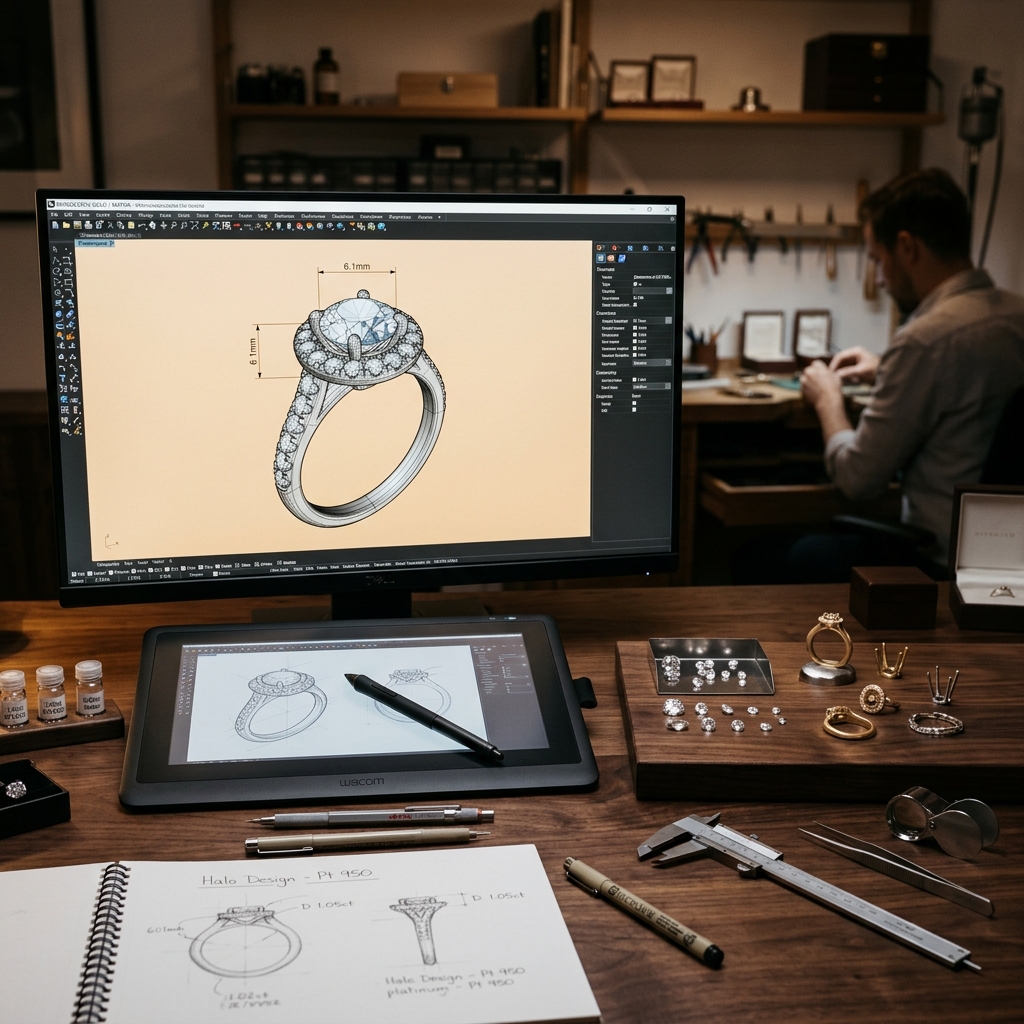
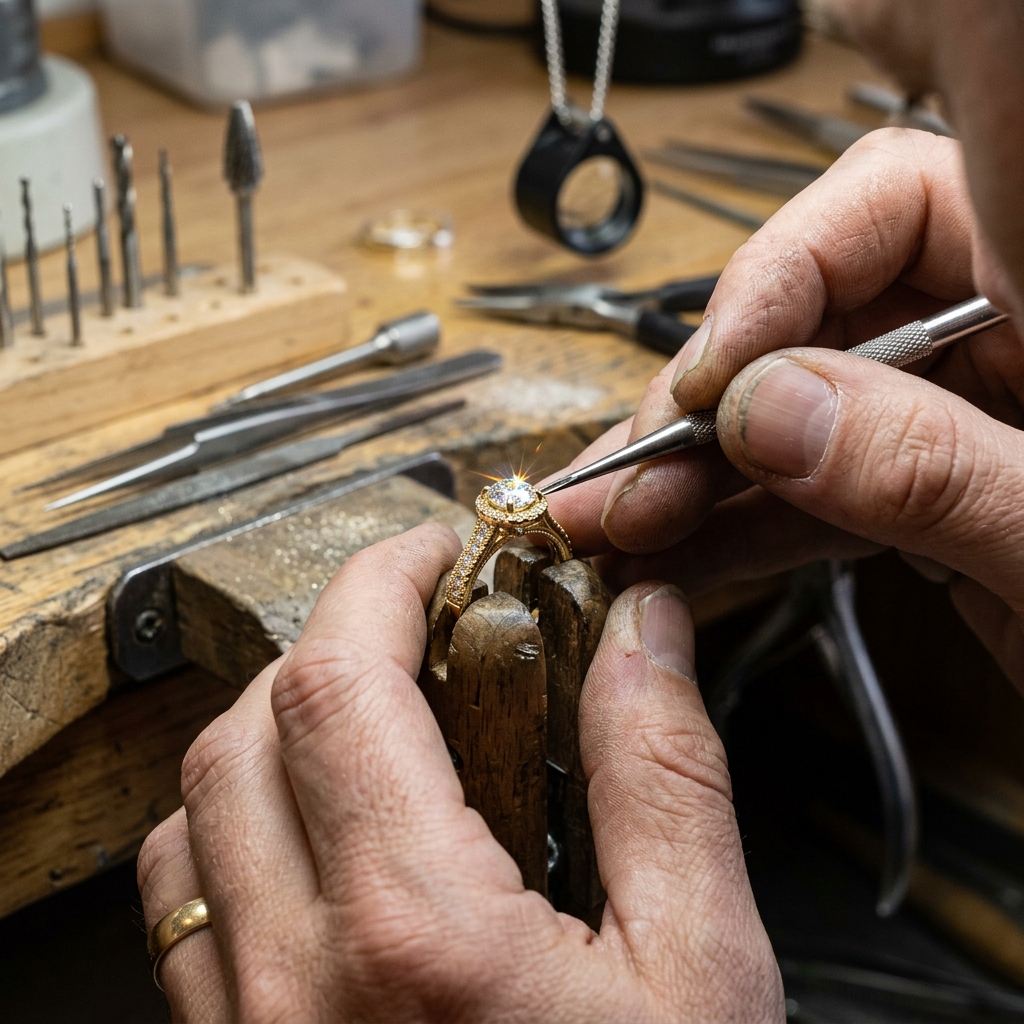
Pure gold (24 karat) is chemically element number 79, known for its rich yellow luster and extreme density. However, in its pure state, gold is exceptionally soft and malleable, scoring only a 2.5 on the Mohs hardness scale. For custom jewelry designs—especially settings with delicate prongs holding precious diamonds—using pure gold is structurally impossible. It would easily warp, bend, or lose gemstones under daily wear.
To overcome this, manufacturing goldsmiths blend pure gold with solid transition metals to form karat gold alloys. This process of alloying alters the molecular lattice structure, dramatically increasing tensile strength and hardness while introducing a beautiful range of color palettes.
Karat Weight and Purity Benchmarks
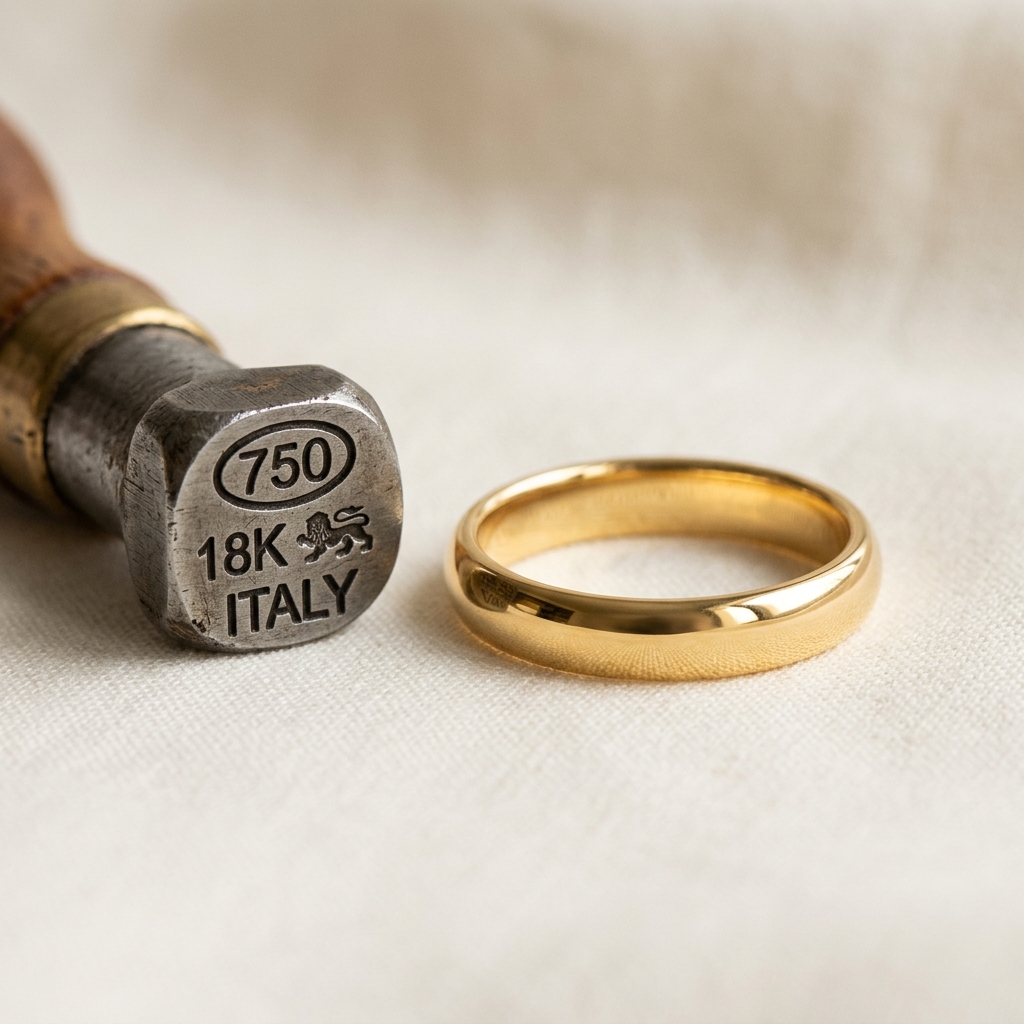
The “karat” (K) scale represents the fraction of pure gold out of 24 parts. Thus, the percentage of gold in any alloy is calculated as (K / 24) * 100. In premium custom manufacturing, two core benchmarks are utilized:
- 18 Karat (75% Pure Gold): Prized for its rich, heavy density and visual prestige. It contains 75% pure gold combined with 25% alloyed metals.
- 14 Karat (58.3% Pure Gold): Offers a hard, highly durable structure with great scratch resistance. It contains 58.3% pure gold and 41.7% alloyed metals.
Alloy Compositions Compared
The specific metals combined with pure gold dictate both the color tint and the structural durability of the resulting creation:
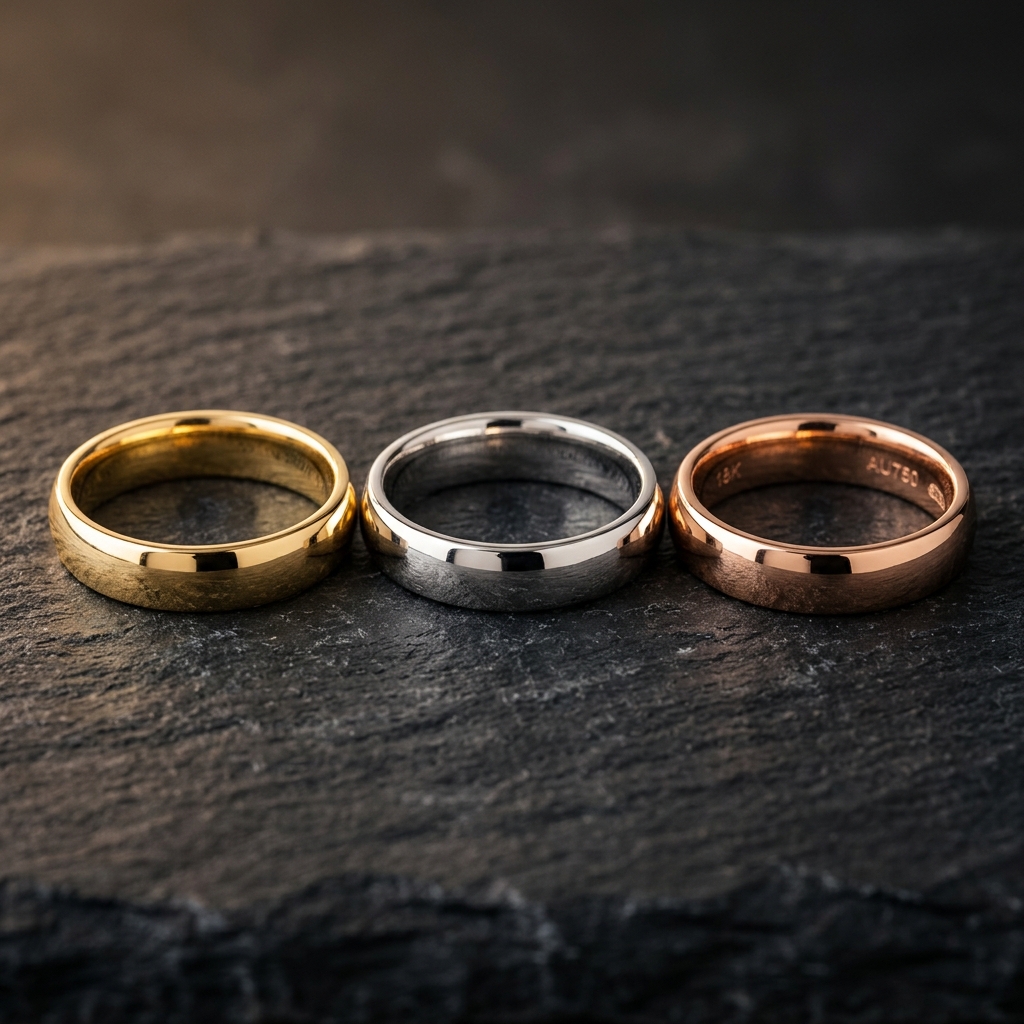
| Gold Type | Pure Gold % | Primary Alloy Composition | Hardness (Vickers HV) | Key Durability Advantage |
|---|---|---|---|---|
| Yellow Gold | 75% (18K) / 58.3% (14K) | Silver, Copper, Zinc | 120 – 150 | Hypoallergenic, easy to resize and polish. |
| White Gold | 75% (18K) / 58.3% (14K) | Palladium, Silver, Nickel, Zinc | 160 – 210 | Highest surface hardness, rhodium protective layer. |
| Rose Gold | 75% (18K) / 58.3% (14K) | Copper, Silver (minor ratio) | 140 – 170 | High tensile strength, no replating needed. |
1. Yellow Gold: The Classic Alloy
Traditional yellow gold alloys are made by mixing pure gold with equal parts silver and copper, along with a small percentage of zinc. Zinc acts as a deoxidizer, preventing gas bubbles during casting. This blend preserves the warm, traditional golden tone. Because copper and silver have relatively soft crystal grids, yellow gold is the softest of the three gold variations. It scratches more easily but is the most malleable, allowing for detailed hand-engraving and easy resizing.
2. White Gold: The Hardest Surface
To create white gold, the natural yellow tint of gold must be bleached. Goldsmiths mix pure gold with strong white metals like palladium, silver, and nickel. In custom settings, palladium is the premium choice for white gold alloys, creating a clean gray metal base. White gold is the hardest of the alloys due to the high strength of palladium and nickel.
Note on Rhodium Plating: To achieve a bright mirror-like finish, all white gold creations are electroplated with a thin micro-layer of Rhodium (a metal from the platinum family). Rhodium scores an 8 on the Mohs hardness scale, acting as a shield against scratches. This plating will wear off over time and require a quick replating service every 12 to 24 months to maintain its brilliance.
3. Rose Gold: High Tensile Strength
Rose gold—sometimes called pink or red gold—is alloyed using a high concentration of copper. The coppery red tint blends with the yellow gold to create a warm pink hue. Copper is one of the toughest metals used in jewelry alloys, giving rose gold extremely high tensile strength and making it less prone to scratching or bending compared to yellow gold. Additionally, because it has no surface plating, rose gold will never change color or require replating.
Selecting the Right Karat for Custom Designs
When placing B2B orders or designing blueprints for clients, selecting the right alloy composition is critical:
- For High-Wear Items (Engagement Rings & Bands): Rose gold or White gold offers the best protection for prongs holding large center stones. The hardness of these alloys ensures prongs do not easily pull back or wear down.
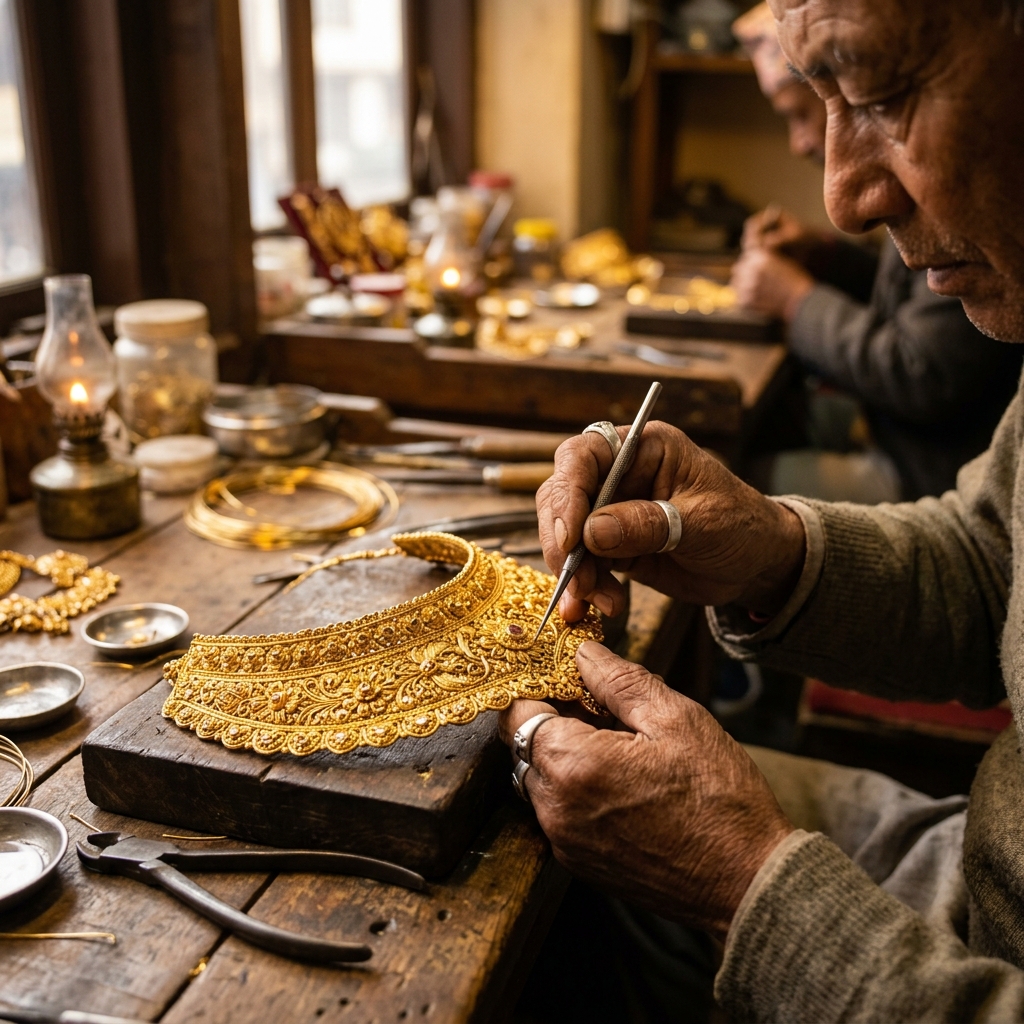
- For Intricate Filigree & Earrings: Yellow gold provides the malleability required to twist and shape delicate gold wires without fracturing the metal.