18kt Gold Purity Percentage: The Ultimate Guide | Rashova Diamonds
Gold Education
18kt Gold Purity Percentage
By Sulav Sharan KCGIA Graduate Gemologist
When purchasing fine jewelry, understanding what goes into your metals is essential to making an informed choice. One of the most sought-after alloy ratings in modern luxury collections is 18K. But what exactly is the **18kt gold purity percentage**? In this quick guide, we discuss **what is 18k gold purity**, how to read standard hallmarks, and why it is the global choice for engagement rings and luxury bands.
18 Karat Yellow Gold Jewelry Showcase
Understanding 18 Karat Gold Composition
Pure gold (24K) is extremely soft and malleable, making it impractical for daily wear in fine jewelry settings. To enhance its strength, jewelers alloy it with other metals like copper, silver, and zinc. The karat scale is divided into 24 parts:
Purity Calculation: 18 parts pure gold out of 24 total parts (18/24).
Percentage: Exactly 75.0% pure gold and 25.0% alloy metals.
This **18 karat gold composition** balances a rich, saturated golden color with the durability needed to hold precious diamonds and gemstones securely.
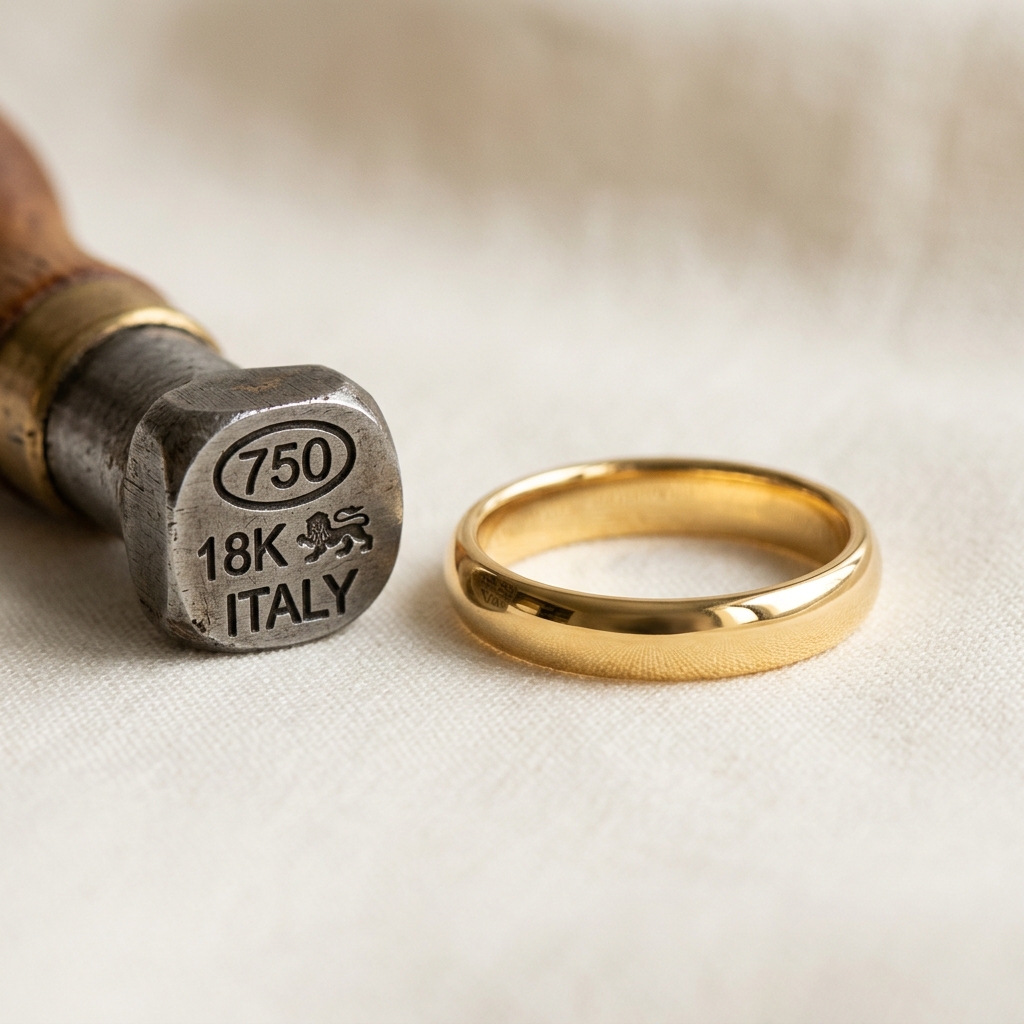
The “750” Stamp Meaning:
If you check the inside band of your ring, you will often find a “750” hallmark. This millesimal fineness stamp indicates 750 parts of pure gold per thousand (equivalent to 75.0% purity).
Is 18k Gold Good for Daily Wear?
Yes. 18K gold is highly scratch-resistant compared to 22K and 24K gold, making it the standard recommendation for engagement rings, custom wedding bands, and daily-wear fine jewelry. It offers a much richer golden hue than 14K gold while maintaining excellent structural longevity.
Transforming a creative vision into a physical masterpiece requires precision engineering. Today, traditional bench techniques are combined with master artistry to guarantee structural durability and visual beauty. Whether you are a jewelry brand looking to design a seasonal collection or an individual creating a bespoke engagement ring, partnering with a specialist in **custom jewelry design in Nepal** ensures your designs are built to perfection. Below, we outline our end-to-end technical production process.
Our Handcrafted Manufacturing & Artistry Workflow
At Rashova Diamonds, we utilize traditional master techniques at every stage of the design and production cycle to ensure maximum detail and metal structural integrity.
1. Hand-Drawn Sketching & Concept Art
Every project starts with a creative consultation. Our designers create hand-drawn concept sketches based on your inputs. This initial concept mapping allows us to plan out accurate proportions, gemstone configurations, and metal structures to ensure your custom piece matches your exact specifications.
Custom Jewelry Design Hand-drawn Sketching Stage
2. Hand-Carved Wax Models & Master Patterns
Once the concept sketch is approved, our master craftsmen translate the design into a physical model by carving a block of jewelry wax by hand. This organic wax-carving process allows us to verify proportions physically, check stone layouts, and make sure the ring fits comfortably before committing to precious gold or platinum.
Master pattern hand-carved in solid jewelry wax
3. Lost-Wax Jewelry Casting
After pattern validation, the hand-carved wax model is encased in a specialized plaster mold. The wax is burned away in a high-temperature kiln, leaving a perfect negative cavity. Liquid gold, platinum, or sterling silver is injected into the mold using centrifugal vacuum **jewelry casting in Nepal** machinery, forming a solid raw metal casting.
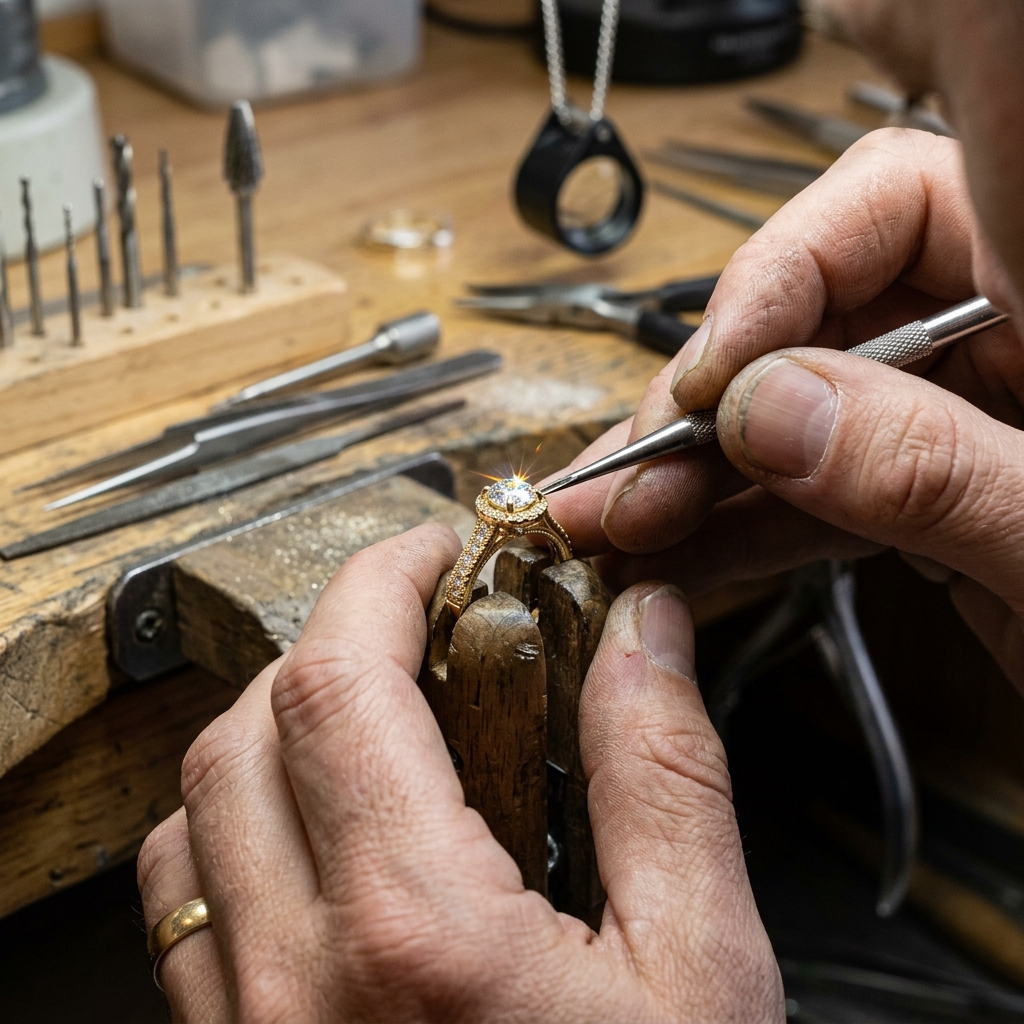
4. Master Hand Stone Setting
Once the metal casting cools, our master jewelers inspect the piece for structural integrity. The setting posts are carefully aligned, and gemstones are set by hand. Our specialized **jewelry stone setting in Nepal** techniques include micro-pave, channel settings, bezel closures, and classic prong settings—ensuring each diamond is secured for a lifetime.
5. Jewelry Polishing & Hand Finishing
The final step brings the piece to life. The raw metal is buffed through multiple grit levels during the **jewelry polishing in Nepal** stage. Finally, a meticulous **jewelry finishing in Nepal** process is applied (which can include custom textures like satin, brushed, or high-luster rhodium plating), bringing out the maximum sparkle of your diamonds and gold.
Final Hand Polishing and High-Gloss Luster Finishing
Artisan Hand Craftsmanship:
Combining traditional hand-carving with rigorous quality control allows us to offer unmatched structural accuracy and bespoke artistry for every creation.
Custom Manufacturing Capabilities
Bespoke Proportions: Flexible hand-adjustments during the wax-carving phase.
Metal Flexibility: Certified castings in 22K, 18K, 14K Gold (Yellow, White, Rose) and 925 Sterling Silver.
Stone Setting Options: Hand-set natural diamonds, colored gemstones, and custom settings.
As a retailer, designer, or boutique brand owner, finding the right production partner is critical to scaling your brand. Sourcing quality materials and ensuring fine craftsmanship are standard challenges. If you are looking to outsource your production, choosing an experienced **private label jewelry manufacturer in Nepal** offers access to world-class gemologists and skilled local artisans. In this guide, we break down our full B2B, OEM, and export solutions designed to help you launch and expand your collections.
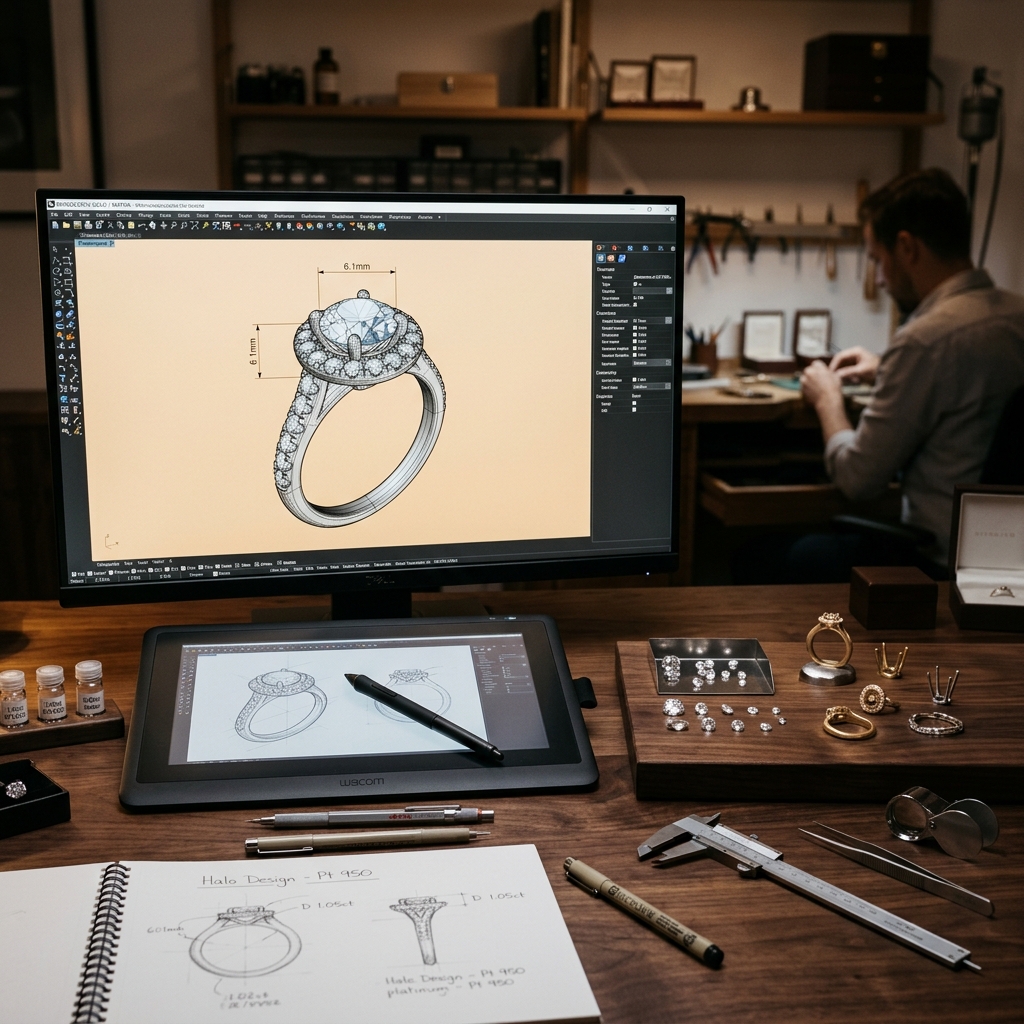
State-of-the-Art Jewelry CAD Modeling & Design Studio
Why Partner with a Jewelry Manufacturer in Nepal?
Nepal has a rich history of fine metalwork and intricate jewelry design. Today, this traditional mastery is combined with modern technology to serve international brands looking for a trusted **jewelry manufacturing partner in Nepal**.
At Rashova Diamonds, we manage the entire production chain under one roof in Kathmandu. This centralized workflow guarantees strict quality control, ethical standards, and efficient lead times for export orders.
B2B Private Label & White Label Solutions
Whether you want to build a collection from scratch or customize our designs under your brand name, we offer tailored services to match your goals:
Private Label Jewelry Manufacturing
Translate your unique concepts and technical drawings into physical masterpieces. We manage everything from CAD design modeling to final polish, creating bespoke collections that reflect your brand’s unique identity.
Select from our existing catalog of classic and modern designs. We manufacture these high-quality pieces and stamp them with your custom hallmark, logo, and purity tags, allowing you to go to market quickly with minimal development costs.
B2B Partnerships:
By using a contract jewelry manufacturing structure, retailers can focus purely on marketing and sales while we manage design iterations, raw material sourcing, casting, and quality validation.
Manufacturing Capacities & Specifications
Below is a summary of our gold, diamond, and silver capabilities for global export and **jewelry wholesale in Nepal**:
Metal Options
Purity Standards
Diamond Sourcing
MOQ Guidelines
Gold (Yellow, White, Rose)
22K (916), 18K (750), 14K (585), 10K (417)
Conflict-free natural diamonds, GIA Certified
Flexible limits for custom collections
Fine Silver
925 Sterling Silver
Accompanying precious & semi-precious stones
Bulk scaling rates available
Global Export & Logistics from Kathmandu
As a leading **jewelry exporter in Nepal**, we understand the importance of secure, trackable, and timely logistics. We manage custom clearance, valuation certificates, and secure air shipping to key international markets:
Insured International Shipments with Certified Authenticity Reports
Main Export Destinations: USA, UK, Europe, Australia, and Japan.
Secure Shipping: Insured international couriers (DHL, FedEx) with full door-to-door tracking.
Certifications: Every gold and diamond shipment is hallmarked and accompanied by official certification documents confirming purity and origin.
How to Keep Your Diamonds & Gold Sparkling Forever | Rashova Diamonds
Jewelry Care & Guide
How to Keep Your Diamonds & Gold Sparkling Forever
By Sulav Sharan KCGIA Graduate Gemologist
Fine jewelry is an investment in beauty, memory, and heritage. But over time, everyday oils, soaps, and lotions build up, leaving a film that dulls your gems and precious metals. Have you found yourself asking, why is my diamond ring looking cloudy? In this expert guide, we discuss how to keep your diamonds and gold sparkling forever using safe, proven cleaning and storage methods.
The Best Way to Clean Diamond Ring at Home Safely
You don’t need expensive chemical treatments to restore brilliance to your jewelry. A simple, regular routine using a safe homemade jewelry cleaner is all it takes to break down tough oils.
Step 1: The Warm Water Soap Soak
Mix warm (not boiling) water with a few drops of mild, fragrance-free dish soap. Soak your gold jewelry and diamond rings in the solution for 15 to 20 minutes to loosen dirt and built-up film.
Step 2: The Soft Toothbrush Scrub
Use a clean, extra-soft bristled toothbrush to gently scrub your jewelry. Pay close attention to the underside of the diamonds, around prongs, and inside metal settings where lotion residue collects.
Step 3: Rinse & Dry
Rinse thoroughly under clean, lukewarm running water (remember to close the sink drain!). Gently pat the jewelry dry using a soft, lint-free microfiber cloth.
Pro Tip:
Avoid paper towels or tissues when drying your gold. Their fibers can scratch delicate polished gold surfaces, especially high-karat gold alloys like 18K and 22K.
How to Clean Gold Jewelry Safely
Gold is a relatively soft metal and alloy contents change how it reacts to pressure and wear. Here are key **jewelry care tips** to protect your gold settings:
Avoid Abrasives: Never use toothpaste, baking soda, or powdered cleansers. They are highly abrasive and will leave microscopic scratches on your gold, dulling its luster.
Chemical Hazards: Remove all gold rings and bands before swimming in chlorinated pools or cleaning with bleach. Chlorine can permanently damage and discolor gold alloys.
Apply Makeup First: Make jewelry the last thing you put on in the morning and the first thing you take off at night. Hairsprays, perfumes, and lotions leave a cloudy film on diamonds.
How to Store Diamond and Gold Jewelry
Proper storage is just as important as cleaning. Diamonds are the hardest natural substance on earth, meaning they can easily scratch your gold jewelry, platinum bands, and softer gemstones if stored together.
Store each piece of jewelry in its own soft fabric pouch or separate lined compartment.
Keep gold chains laid flat or hung individually to prevent tangling and scratching.
Protect jewelry from moisture by storing it in a dry, temperature-controlled space.
Frequently Asked Questions
Can I use toothpaste to clean my diamond ring?
No. Toothpaste contains abrasive particles designed to clean teeth. These particles can easily scratch gold, platinum, and softer gemstones, reducing their natural shine over time.
How often should I clean my diamond jewelry at home?
For jewelry worn daily, a gentle warm soapy water soak and soft brush scrub once a week will prevent oil build-up and keep it looking brilliant.
When should I seek professional jewelry cleaning?
We recommend bringing your fine jewelry to a professional jeweler at least once or twice a year. Jewelers can inspect the security of your settings, tighten prongs, and clean hard-to-reach areas using specialized steam and ultrasonic equipment.
By following these simple care routines, you ensure your precious gold and diamond jewelry retains its breathtaking sparkle for generations. At Rashova Diamonds, we are committed to helping you protect your most meaningful pieces. Visit our boutique or contact us today for professional inspections, adjustments, and deep-cleaning services.
The history of engagement rings is a fascinating journey of changing tastes, technological advancements, and cultural influences. Each decade brought its own unique twist to ring designs, reflecting the trends of its time. Here’s a breakdown of the most iconic engagement ring styles, decade by decade:
1920s: Geometric Elegance – Emerald and Asscher cut
The Art Deco period ushered in a love for symmetry and bold geometric shapes, making emerald and Asscher cuts highly sought after. Multi-stone designs became fashionable, often surrounded by dazzling diamond halo settings that added extra brilliance.
1930s: Round cut
In the aftermath of the Art Deco era, ring designs softened. Round brilliant settings resembling ribbons and bows became popular, favoring round-cut diamonds. The economic strain of the Great Depression led to simpler styles, with solitaire diamonds emerging as an affordable yet elegant choice.
1940s: A New Era of Diamonds
The 1947 De Beers campaign, “A Diamond is Forever,” revolutionized the jewelry world, cementing diamonds as the ultimate center stone. The scarcity of platinum during World War II saw yellow and rose gold rise in prominence. Rings during this period reflected a mix of classic round cuts and diverse materials.
1950s: Detailed Sophistication – Pear cut !
Pear cut
This decade focused on intricate details, with settings showcasing engravings and braided elements. Pear-shaped diamonds gained popularity, often paired with baguette accents. Audrey Hepburn’s stackable engagement rings further inspired innovative designs, featuring mixed metals for a modern touch.
1960s: A Return to Glamour – Asscher Cut
Art Deco’s influence resurfaced, bringing the Asscher cut back into the spotlight, epitomized by Elizabeth Taylor’s iconic engagement ring. Colored gemstones also gained favor, thanks to Jackie Kennedy’s emerald-and-diamond ring, which made vibrant stones a trend for engagement rings.
1970s: Coordinated Sets – Emerald cut
Emerald cut
The 1970s emphasized matching engagement and wedding ring sets, with yellow and rose gold becoming staples. The emerald cut reemerged as a favorite, celebrated for its timeless elegance and symmetry.
1980s: Royal Inspiration – Round cut
Princess Diana’s sapphire engagement ring sparked a surge in colored gemstone rings. Yellow gold remained the metal of choice, while round-cut diamonds with baguette accents became a quintessential combination.
1990s: Edgy Boldness- Marquise Cut
Marquise-cut diamonds, with their elongated and sharp design, gained popularity during the grunge era. White gold and platinum bands became fashionable; as yellow gold briefly fell out of favor.
2000s: The Princess Era – Princess cut
Princess cut
Classic solitaire and three-stone rings dominated the 2000s. The princess cut, with its clean lines and contemporary aesthetic, became a favorite, solidifying its place as a modern classic.
2010s: Cushion cut and Halo Revival
Halo Ring
Diamond halo settings made a grand comeback in the 2010s, adding a dramatic frame to center stones. While various cuts paired beautifully with halos, the cushion cut stood out for its brilliance and ability to appear larger when surrounded by smaller diamonds.
2020s: Custom Creativity – Oval cut
Oval Cut
The 2020s celebrate individuality, with custom-made rings and skinny pave bands leading the way. The oval cut gained immense popularity, offering versatility with vertical or horizontal settings that cater to a wide range of unique ring designs.
Conclusion
Engagement rings are far more than just symbols of commitment; they are reflections of cultural shifts, personal tastes, and evolving craftsmanship. Each decade brought something unique—from the sharp geometric styles of the 1920s to the highly personalized designs of the 2020s. These changes reflect not just trends but also the technological advancements and societal influences of the time. Whether it’s a classic round cut, a vibrant gemstone, or a modern oval design, engagement rings tell a story of love, style, and individuality. As styles continue to evolve, one thing remains constant: the timeless allure of a beautifully crafted ring.
Purchasing an engagement ring is one of life’s most meaningful—and often most complex—decisions. At Rashova Diamonds, we recognize that Nepali couples seek rings that honor local heritage while embracing the elegance of global design.
Why Choose Kathmandu—and Why Rashova Diamonds?
Local Expertise Kathmandu’s jewellery districts, where articians understand Nepal’s rich cultural traditions. When you shop locally, you can examine diamonds up close, verify their certificates, and discuss design details face-to-face. At Rashova Diamonds, our in-house gemologists and designers blend this craftsmanship heritage with modern techniques, ensuring each ring—from classic solitaires to bespoke masterpieces—meets international standards.
Transparent Pricing & Genuine Certification While many global grading laboratories (GIA, IGI, HRD) are recognized here in Nepal, it can be difficult to know which vendors are truly transparent. At Rashova, every diamond comes with a full grading report, and we encourage you to compare the 4Cs (carat, cut, clarity, color) yourself. Our prices reflect actual market value rather than inflated brand markups.
Customization Rooted in Nepali Heritage From a simple round brilliant set in 18K gold to an elaborate Polki-and-enameled creation, Rashova’s custom-design process is guided by local symbolism—lotus petals, filigree motifs—and contemporary aesthetics. We ensure your ring is both culturally meaningful and fashion-forward.
Mastering the Basics: The 4Cs & Ethical Sourcing
Before exploring style options, it’s essential to understand the fundamental factors that determine a diamond’s value and appearance.
Carat (Weight)
As carat weight increases, price climbs exponentially. In Kathmandu, many couples find that diamonds between 0.75 ct and 1.25 ct strike an ideal balance of presence and affordability.
Rashova’s gemologists can guide you toward the precise weight that fits both your aesthetic preferences and your budgetary goals.
Cut (Proportions & Sparkle)
The cut governs how light interacts with a diamond, producing its characteristic fire and brilliance. In 2025, the following shapes are especially sought after:
Round Brilliant: Timeless and maximally sparkly.
Emerald & Step-Cut: Popular for their long, rectangular facets and “hall of mirrors” effect.
Princess & Radiant: Square or rectangular brilliant cuts prized for their combination of brilliance and modern lines.
Clarity (Inclusions & Blemishes)
Clarity grades range from Flawless (FL) down to Included (I1–I3). For many buyers, VS1–SI1 grades offer excellent visual purity without the premium price tag, especially under everyday lighting conditions in Nepal.
Color (Hue & Tone)
Diamonds run from colorless (D) to light yellow or brown (Z). Most buyers in Nepal prioritize G–H grades, which look virtually colorless to the naked eye but cost significantly less than D–F stones. Warmer Nepali lighting can make a near-colorless diamond appear completely white.
Certification & Conflict-Free Assurance
A genuine grading report from GIA, IGI, HRD, or another accredited lab verifies the 4Cs. Rashova sources diamonds that comply with the Kimberley Process, ensuring they are conflict-free. Our gold is purchased from refiners accredited by the London Bullion Market Association (LBMA), so you can also feel confident that your precious metals are ethically mined.
Navigating Kathmandu: Local Preferences & Practicalities
Popular Nepali Styles
Timing Your Purchase
Budget Brackets for Kathmandu Buyers
Polki & Kundan Inspired Designs: These classic styles feature uncut (polki) diamonds set in 22K or 24K gold, often accented with meenakari enamel. While historically tied to bridal sets, modern interpretations incorporate polished metals and minimalist details.
Auspicious Dates: In Nepal, many families believe in purchasing jewellery around Shree Panchami (January/February) or Haritalika Teej (August). If you’re planning for a specific festival or Puja ceremony, allow at least 6–8 weeks for a custom ring.
Entry-Level Luxury (30,000–100,000 NPR): You can find a 0.30–0.50 ct round brilliant diamond (G–H color, VS–SI clarity) set in 18K white gold.
Diamond-Encrusted Necklaces and Bangles: Many brides complement their engagement rings with coordinating necklaces or bangles, pairing bright-cut diamonds with rubies or emeralds for auspicious symbolism.
Off-Peak Windows: Nepali festivals—such as Biska Jatra (late March/April) and Dashain–Tihar (September–October)—drive up demand. Scheduling a consultation in quieter months (May–June or post-Tihar November) often means more personalized attention and smoother production schedules.
Mid-Range Splendor (100,000–300,000 NPR): Rings with 0.75–1.25 ct oval or princess cuts (G–H color, VS clarity), often accented by a halo or side stones.
Clean, Minimal Solitaires: For younger professionals, sleek 18K white or rose gold bands with a single brilliant-cut diamond have gained popularity, blending elegance with everyday wearability.
High-End Statement (300,000 NPR+): Larger 1.5 ct+ step-cut diamonds (D–F color, VVS clarity) in platinum or custom-designed gold settings featuring pave accents or colored gemstone details.
Global Engagement Ring Trends for 2025
To design a ring that looks as current as it is timeless, consider these international trends shaping 2025:
Colored Gemstones & Mixed Metals
Sapphire & Emerald Centers: Beyond tradition, many couples now choose sapphires (in shades of blue, pink, yellow) or emeralds as the main stone, flanked by diamonds to add contrast.
Mixed Metal Combinations: Layered rings that pair 18K yellow gold with rose or white gold—or even platinum—add depth and personality to your design. A twisted band alternating warm and cool tones is especially on-trend.
Elongated & Step-Cut Diamonds
Emerald & Baguette Accents: A central emerald-cut or marquise-cut diamond framed by baguette side stones creates a sleek, architectural look.
Hidden Diamond Accents: Designers are embedding tiny diamonds under the ring’s gallery or within the shank, so every angle reveals unexpected sparkle—a subtle “secret detail” appreciated by modern couples.
Bold Bands & Statement Settings
Chunky Shanks: Wide, flat bands up to 5 mm in platinum or 18K gold provide a strong, contemporary presence on the finger.
Three-Stone & Cluster Configurations: A trio of larger center stones (symbolizing past, present, and future) or small clusters around a main diamond offer a fresh alternative to a single solitaire.
Minimalist & Eco-Conscious Designs
Recycled Metals & Lab-Grown Diamonds: Sustainability is a growing priority. Lab-grown stones are indistinguishable from mined diamonds, typically costing 30–50% less, and recycled gold reduces environmental impact.
Understated Solitaires: A single, well-cut diamond in a low-profile bezel or tension setting speaks to those who appreciate simplicity and everyday practicality.
Vintage Revival & Art-Deco Influence
Geometric Detailing: Rings featuring intricate filigree, milgrain beading, and baguette side stones channel 1920s glamour.
Antique-Cut Diamonds: Rose cuts and Old European cuts are prized for their unique faceting and fiery balayage of light, offering a romantic nod to the past.
How Rashova Blends Kathmandu’s Craft with Global Inspiration
Our Custom-Design Experience
Inspiration & Consultation:
Book an Appointment: Visit our Rashova showroom in Durbar Marg, Kathmandu, with any inspiration images: Pinterest boards, celebrity ring photos (think Zendaya’s bezel-set oval or Hailey Bieber’s yellow-gold band), or cherished family heirlooms.
Explore Sample Collections: Try on pieces ranging from Polki-based clusters to modern halo solitaires. Discuss which global elements—such as step-cut emerald frames or hidden diamond accents—resonate with you.
CAD Modeling & Virtual Preview
Our design team produces a detailed 3D CAD rendering, allowing you to examine every angle: How the elongated shape sits on your finger, how side stones complement the center diamond, or how mixed-metal shanks interplay in natural light.
Stone Selection & Ethical Sourcing
Natural vs. Lab-Grown: Decide between GIA-certified natural diamonds—valued for their provenance—or lab-grown stones that provide the same optical beauty at a more accessible price.
Colored Gemstone Accents: If you prefer sapphires (pink, yellow, or blue) or emeralds, we source ethically mined and certified stones.
Metal Choices: Opt for 18K white, yellow, or rose gold; platinum; or a bespoke mix. Recycled-gold options are available for eco-conscious couples.
Handcrafting & Rigorous Quality Control
Once you approve the CAD design, our master artisans in Kathmandu carefully set each stone. We conduct multi-stage inspections—verifying prong security, polished finish, and overall craftsmanship—before polishing and plating.
Final Delivery & Peace-of-Mind Warranty
Your completed ring arrives with its grading certificate (GIA/IGI for natural diamonds or an equivalent lab document for lab-grown stones). Every Rashova ring includes a lifetime craftsmanship warranty—covering prong re-tights, rhodium re-plating, and annual cleaning services.
Sample “Kathmandu + Global” Ring Ideas
Polki Halo with Emerald Baguettes: A central antique-cut polki diamond surrounded by emerald-cut baguettes merges Nepali tradition with Art-Deco flair.
Sleek Bezel-Set Oval in Mixed Metals: A 1.00 ct oval diamond encased in a platinum bezel, sitting atop a twisting band of yellow and rose gold—an elegant fusion of modern taste and lasting quality.
Hidden Pink Sapphire Surprise: A 0.80 ct round brilliant center is flanked by petite hidden pink sapphires beneath the gallery. Visible only at select angles, this feature embodies 2025’s “secret sparkle” ethos.
Smart Budgeting & Flexible Financing
Allocating Your Investment
The general rule: Allocate about 70–80% of your budget to the diamond itself and 20–30% to the setting. In Nepal, if you choose elaborate Polki or Kundan details, you might shift more of the budget toward craftsmanship while selecting a slightly smaller center stone.
Where to Be Flexible
Clarity & Color Trade-Offs: Choosing a VS2 or SI1 clarity grade often results in a visually clean diamond at a fraction of the cost. Opting for a G–H color instead of D–F can save 10–20% without perceivable difference once set.
Carat vs. Cut: A 0.95 ct diamond with an Excellent cut will “sparkle” more than a 1.00 ct stone with a Good cut. Prioritize cut quality to maximize visual fire.
Payment Plan Options
Interest-Free Installments: Spread payments over 3, 6, or 12 months with zero interest.
Upgrade Path & Trade-In: For many couples, upgrading on an anniversary—or trading in for a larger center down the line—makes sense. Rashova maintains credit toward future purchases, turning your ring into an evolving piece of your love story.
Preparing for a Stress-Free Purchase
Research & Inspiration Gathering
Spend time exploring reputable sources—international wedding publications, design blogs, and Nepali jewellery portals—to gather examples of styles you admire. Save photos or sketches.
Review Rashova’s social media and blog to see how our clients incorporate Kathmandu’s traditions into modern designs.
Pre-Visit Checklist
Know Your Ring Size: Measure at home with a strip of paper or download a printable sizing chart. Confirm size in-store to ensure the perfect fit.
Define Your Budget Range: Select a comfortable minimum and maximum. This clarity makes each consultation more efficient and prevents sticker shock.
Set Your Timeline: If you’re targeting an auspicious date—such as a religious festival or family ceremony—plan at least 6–8 weeks for a custom ring. Ready-made styles typically require 1–2 weeks.
During Your Consultation
Review Certifications: Always ask to see the diamond’s grading report. Compare the document’s 4C details with the stone under proper lighting.
Try On Different Styles: Even if you think you want a classic solitaire, try on halos, three-stone configurations, or even unique vintage-inspired settings. How a ring feels on your hand can influence your final decision.
After You Take Your Ring Home
Proper Care & Maintenance: Follow our guidelines for safe cleaning (mild soap, soft brush), ideal storage (separate pouches or compartments), and avoid harsh chemicals or extreme temperatures.
Annual Inspections: Schedule a complimentary check-up within the first year. We’ll confirm prong security, ensure the setting remains flawless, and provide a professional cleaning so your ring always sparkles.
Frequently Asked Questions (FAQs)
“Should I Choose a Lab-Grown or Natural Diamond in Nepal?”
Lab-Grown: Typically 30–50% less expensive, identical in cut, clarity, and color to mined diamonds, and more eco-friendly. Natural: If provenance or traditional heirloom value matters, a GIA-certified natural diamond may be preferable. Many families in Kathmandu place sentimental value on mined stones.
How Accurate Is My Ring Size If I Order Custom?
We offer free in-store ring sizing. If you’re unsure, we’ll create a provisional sizing band to confirm your size before final crafting. Minor adjustments (±½ size) are complimentary within the first year.
What Happens If the Style I Want Changes After Purchase?
For ready-made rings, we offer a 7-day exchange window. Custom designs can often be modified—metal finish tweaks or small design adjustments are available for a nominal re-design fee.
Can I Incorporate My Family’s Heirloom Diamond Into a Modern Setting?
Yes—our artisans specialize in repurposing heirloom stones. We can recut or reset old diamonds into a fresh, contemporary design while preserving sentimental value.
Are Rashova’s Diamonds Guaranteed to Be Conflict-Free?
Absolutely. Our supply chain conforms to the Kimberley Process, and we can show you the entire chain of custody—from mine to market.
Blending Kathmandu’s storied jewellery traditions with the latest 2025 global trends—colored gemstones, mixed metals, eco-friendly practices, and art-deco revival—you can design a ring that’s both culturally meaningful and internationally chic. At Rashova Diamonds, our promise is straightforward: transparency in pricing, unwavering ethical sourcing, and exceptional craftsmanship.
Ready to Begin?
Browse & Bookmark: Explore our online gallery to see completed pieces and real-client stories.
Gold jewelry has been cherished for centuries, symbolizing luxury, love, and tradition. Yet, one of the most common questions both first-time buyers and seasoned collectors ask is: “What exactly does gold purity mean?” Whether you’re shopping for an engagement ring or investing in a gold chain, understanding gold purity (often expressed in karats) is essential. In this comprehensive guide, we break down everything you need to know about gold purity, how to read hallmarks, and which karat level suits your lifestyle.
1. What Is Gold Purity?
Definition: Gold purity refers to the proportion of pure gold present in an alloy. Pure gold is too soft for everyday wear, so jewelers mix it with other metals (copper, silver, zinc) for strength and color variation.
Measurement: Purity is quantified in karats (K) or parts per thousand. A 24-karat (24K) gold item is 99.9% pure gold, whereas 18K gold is 75% gold and 25% other metals.
Visualizing Pure Gold vs. Alloys
Why It Matters:
Durability: Higher karats (22K, 24K) are softer and more prone to scratches. Lower karats (14K, 18K) balance durability with rich color, making them the standard recommendation if you are questioning is 14k gold good for daily wear.
Value: Pure gold (24K) carries the highest intrinsic value per gram. As karat decreases, the price per gram drops proportionally.
2. The Karat System
The karat scale is the standard method for measuring gold purity. Below is a detailed gold purity chart for jewelry to help you understand the gold content percentage, properties, and common uses of each rating level.
Karat Rating
Gold Content (%)
Common Uses
Color & Properties
24K
99.9%
Investment bars, coins, traditional cultural jewelry
Vivid yellow, very soft, high luster
22K
91.7%
Bridal sets, traditional necklaces, bangles (Nepal/India)
Deep gold color, slightly more durable than 24K
18K
75.0%
Engagement rings, fine collections, luxury watches
Rich golden hue, best balance of strength & purity
14K
58.3%
Daily-wear rings, bracelets, earrings
Slightly paler yellow, very durable
10K
41.7%
Fashion jewelry, budget-friendly chains
Light yellow, very hard, least expensive
3. Gold Purity Percentages & Visual Differences
24K Gold (99.9% Pure)
Appearance: Vivid, deep yellow. Often described as “buttery.”
Use Cases: Investment bars, coins, and certain cultural ornaments (e.g., Nepali tika, traditional bridal sets).
Pros: Maximum intrinsic value; excellent for heirloom pieces.
Cons: Very soft—scratches and dents easily; not ideal for everyday jewelry.
22K Gold (91.7% Pure)
Appearance: Slightly less intense yellow than 24K, but still deep and rich.
Use Cases: Traditional wedding jewelry, high-quality necklaces, and bangles.
Pros: Still highly valuable; significantly more durable than 24K.
Cons: Soft enough to bend under heavy wear; thickness is usually larger to prevent damage.
18K Gold (75.0% Pure)
Appearance: Golden-yellow with a slightly lighter, refined tone.
Use Cases: Engagement rings, wedding bands, and designer jewelry collections.
Pros: Perfectly balanced hardness, ideal color, and high value.
Cons: Higher price point; can still scratch with rough use.
Visual Color and Hue Variations Across Karats
14K Gold (58.3% Pure)
Appearance: Pale yellow—noticeably less “rich” than 18K.
Use Cases: Everyday wear rings, bracelets, and men’s jewelry.
Pros: Extremely durable and highly affordable.
Cons: Lower intrinsic value; alloy metals may cause mild skin reactions for sensitive individuals.
10K Gold (41.7% Pure)
Appearance: Light yellow or pale tint (depending on alloy composition).
Use Cases: Fashion jewelry, men’s chains, and budget-friendly pieces.
Pros: Most durable karat rating; lowest initial cost.
Cons: High alloy percentage; not considered “fine jewelry” in many countries.
4. Reading Hallmarks & Stamps
Every genuine gold piece should bear a hallmark or stamp indicating its purity. Knowing how to check gold hallmark markings helps you avoid counterfeit or low-quality items.
Common Stamps & Meanings
“24K”, “22K”, “18K”, “14K”, “10K”: Traditional karat marks.
“999” (24K), “916” (22K), “750” (18K), “585” (14K), “417” (10K): Parts per thousand (Millesimal Fineness system).
Understanding Common Hallmarks:
If you see “916” stamped on a gold ring, it means it is 22K (91.6% pure gold). An 18K chain will often show “750” (75% pure gold).
Typical Hallmark Locations and Stamp Formats
Location on Jewelry:
Rings: Inside the inner band.
Necklaces & Bracelets: Near the clasp or on the clasp itself.
Earrings: Stamped on the post or back plate.
Tip: Always check for a certified hallmark or an authenticated assay by a recognized authority (e.g., BIS in India, BIS/nepalese standards in Nepal).
5. Pros and Cons of Different Karats
Here is a quick summary to help you compare the difference between 18k and 22k gold alongside other options at a glance.
Karat
Pros
Cons
24K
Maximum investment value; vibrant, rich color.
Too soft for daily wear; high price point.
22K
Traditional look; very high purity and value.
Prone to bending; designs must be thicker.
18K
Ideal balance of color & durability; luxury feel.
Slightly pricier; scratches under heavy friction.
14K
Extremely durable; highly affordable.
Paler color tone; lower gold resale value.
10K
Highest durability; least expensive option.
High alloy mix; pale color; not premium “fine” gold.
6. How to Choose the Right Karat for Jewelry
Purpose & Frequency of Use
Everyday Wear: Choose 14K or 18K. These have enough alloy strength to resist daily scratches and structural bending.
Investment or Heirloom: Select 22K or 24K. In these pieces, you want to prioritize absolute purity over durability.
Traditional Ornaments: 22K is heavily preferred for traditional bridal sets and cultural ceremonies in Nepal.
Budget Considerations
Limited Budget: 10K–14K offers gold beauty at a much lower cost.
Mid-Range Budget: 18K balances luxury aesthetics with practical longevity.
High-End Budget: 22K or 24K confers maximum prestige and investment value.
Skin Sensitivity
High-karat gold (18K+) has fewer base metal alloys, significantly reducing allergic reactions. If you have sensitive skin or nickel allergies, avoid 10K or 14K gold, as they contain higher percentages of nickel or copper.
7. Care Tips Based on Gold Purity
24K & 22K Gold
Store separately in soft velvet pouches to avoid scratches from other jewelry.
Avoid wearing these pieces during physical activities or manual chores.
Clean gently with a soft toothbrush and warm soapy water.
18K & 14K Gold
Remove jewelry before engaging in sports, gardening, or lifting heavy weights.
Wipe down with a clean, soft microfiber cloth after each wear to clear oils and sweat.
10K Gold
Avoid exposure to harsh household chemicals and chlorine, which can discolor alloys.
Gently Cleaning Fine Gold Ornaments
8. Why Rashova Diamonds Recommends Specific Karats
At Rashova Diamonds, we specialize in crafting fine jewelry that honors Nepalese heritage while meeting international quality standards. Here is how we recommend selecting your gold karat:
22K Bridal Sets: Traditional craftsmanship utilizing 91.7% pure gold—perfect for weddings and cultural ceremonies.
18K Signature Collections: Modern, sleek designs for engagement rings, necklaces, and custom pieces. The 75% purity provides brilliant shine and lifetime durability.
14K Everyday Wear: Ideal for daily-use rings, pendants, and bracelets. Budget-friendly without sacrificing luxury elegance.
All our creations are hallmarked and accompanied by a certified certificate of authenticity. Every purchase includes a complimentary care guide, ensuring your gold maintains its luster for generations.
Frequently Asked Questions
Is 24K gold better than 18K?
24K is the purest form of gold (99.9%) and holds maximum investment value. However, it’s very soft and prone to scratches. 18K (75% gold) strikes a balance between purity, durability, and price—making it ideal for fine jewelry.
Why is 22K more popular in Nepal?
Nepalese culture values traditional purity and auspiciousness. 22K (91.7% gold) provides a deep yellow hue that aligns with cultural aesthetics while still being reasonably durable for ceremonial wear.
How can I tell if a piece is real 22K or 18K gold?
Look for a certified hallmark or assay stamp (e.g., “22K” or “916” for 22K; “18K” or “750” for 18K). Rashova Diamonds guarantees BIS-approved hallmarks and provides a certificate of authenticity with every purchase.
Does higher karat mean better jewelry quality?
Not necessarily. Higher karat means higher gold content, but jewelry quality also depends on craftsmanship, design, and finishing. An 18K piece from Rashova Diamonds can be more beautifully finished than a poorly made 22K item.
Understanding gold purity is crucial when investing in jewelry or purchasing a meaningful gift. From the vivid yellow of 24K to the everyday practicality of 14K, each karat serves a distinct purpose. At Rashova Diamonds, we guide you through selecting the perfect gold purity—whether it’s a family heirloom of 22K bridal jewelry or a modern 18K engagement ring.
By choosing the right karat, reading hallmarks, and caring for your gold properly, you ensure your piece not only looks stunning but also retains its value. Explore our curated collections today and let Rashova Diamonds help you find the gold that’s truly meant for you.
Welcome to the world of diamonds. At Rashova, every diamondbegins its journey deep within the Earth, is skillfully transformedby expert hands, and emerges as a radiant symbol of quality andcraftsmanship. This booklet provides a brief yet insightfuloverview of that journey, highlighting the unique processes thatguarantee excellence and ethical integrity.
1. From Nature’s Depths to Rough Diamond
MinesFormation in the Earth • Geological Wonders:Deep within the Earth, carbon atomsare subjected to extreme pressure andheat, forming the crystallinestructures we recognize as diamonds. • Natural Marvel:Each diamond starts as a raw, uncutstone—a hidden treasure waiting to bediscovered.
Diamond Pre form
Extraction & EthicalSourcing
Responsible Mining:Modern techniques ensure that ourmining methods are both efficientand environmentally respectful. • Community Impact:Ethical sourcing practices supportlocal communities and maintaintransparency throughout theextraction process.
2. Transformation – Cutting and Polishing
Crafting the Masterpiece
The Cutting Process:Carefully planned cuts unleash eachdiamond’s potential. Utilizingadvanced tools alongside skilledartisans, the rough diamond istransformed to maximize its brilliance. •
Polishing for Perfection:Polishing refines and enhances thegem’s natural fire, ensuring every facetsparkles with radiance.
Technology and Tradition
Innovation: Rashova’s blend of traditional craftsmanship with state-of-the-art technology ensures precision and minimal material loss.
Quality Assurance: Each stage is meticulously supervised to maintain the highest standards of quality.
Certification & Final Presentation
Certifying Excellence
Beyond the 4Cs: In addition to the standard metrics (color, clarity, carat, and cut), our proprietary quality checks ensure each diamond’s uniqueness.
Trusted Verification: Third-party certifications provide customers with the confidence that they are investing in a genuine, responsibly made gem.
Retailer’s Role
Sharing the Story: Empower your customers with this narrative—explain how each diamond is shaped by nature and perfected by human expertise.
Visual Aids: Use our streamlined visuals and infographics to bring the diamond’s journey to life in your showroom.
4. Our Commitments to Ethics and Sustainability
Sustainable Practices: From ethical mining to energy-efficient production, every step of our process reflects a commitment to environmental and social responsibility.
Community Engagement: Our practices are designed not only to produce exceptional diamonds but also to support and uplift local communities.
At Rashova, our diamonds are more than just gems—they’re theresult of nature’s artistry and human innovation. This journey,from rough stone to radiant masterpiece, embodies our dedicationto quality, integrity, and sustainability. Empower your customerswith the story behind each diamond, and let them share in thelegacy of exceptional craftsmanship.
Elegance never asks for attention. neither do we.
Rashova
For further details or to request visual materials, please contact our retailer support:
Understanding the 4Cs of Diamonds: A Gemologist’s Guide | Rashova Diamonds
Education & Guide
Understanding the 4Cs of Diamonds
By Sulav Sharan KCGIA Graduate Gemologist
Buying a diamond is one of the most significant purchases you will ever make. Whether you are searching for the perfect engagement ring or a timeless piece of fine jewelry, understanding the 4cs of diamonds is the ultimate key to finding the best value. The universal standard for grading and evaluating diamonds is known as the 4Cs: Cut, Clarity, Color, and Carat weight. Together, they describe the precise characteristics of a gemstone, allowing you to learn how to buy a diamond on a budget while balancing quality and beauty.
1. Cut: The Engine of Sparkle
Often considered the most crucial of the 4Cs, the cut is not about the shape (round, oval, emerald), but how masterfully the diamond has been faceted and polished. A well-cut diamond reflects light internally from one facet to another, dispersing it back through the top in a brilliant showcase of fire and scintillation. This is why cut is the engine of sparkle and the single most critical factor in a diamond’s visual impact.
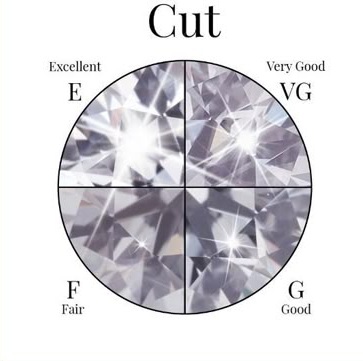
Diamond Cut Grading: From Excellent to Poor
If you want the best diamond cut for sparkle, always look for GIA Triple Excellent ratings (Excellent Cut, Excellent Polish, and Excellent Symmetry). This ensures light does not leak out of the bottom or sides of the stone.
Excellent: Maximum fire, brilliance, and scintillation. Almost all entering light is reflected back.
Very Good: Reflects nearly as much light, offering wonderful brilliance at a slightly lower cost.
Good & Fair: Allows light to leak through the sides or bottom, noticeably reducing sparkle.
Pro Tip:
Never compromise on the cut. Even a diamond with flawless clarity and colorless grade will look dull and lifeless if the cut is poor.
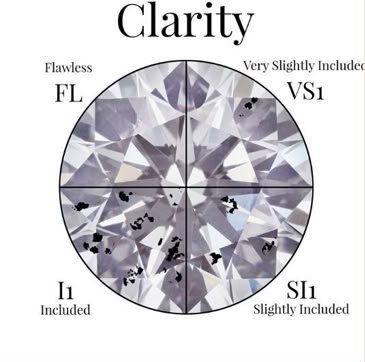
2. Clarity: The Fingerprint of Nature
Diamonds are formed deep within the earth under extreme heat and pressure. Because of this, almost all diamonds contain unique natural features called inclusions (internal flaws) and blemishes (external surface imperfections). Clarity grades measure the size, number, and visibility of these characteristics under 10x magnification, helping you find the best diamond clarity for value.
Diamond Clarity: Flawless to Included Grades
A common question buyers ask is: what is an eye clean diamond? An eye-clean diamond is a stone that has slight inclusions under microscopic magnification, but appears perfectly flawless to the naked eye when viewed from a normal distance.
FL & IF (Flawless / Internally Flawless): No blemishes or inclusions visible under magnification.
VVS1 & VVS2 (Very, Very Slightly Included): Inclusions so tiny that they are extremely difficult to locate.
VS1 & VS2 (Very Slightly Included): Minor inclusions invisible to the naked eye. Excellent value.
SI1 & SI2 (Slightly Included): Noticeable inclusions under magnification, and occasionally to the naked eye.
Pro Tip:
Look for “eye-clean” diamonds in the VS2 or SI1 range. They appear perfectly flawless to the naked eye, allowing you to allocate budget to a larger carat size or better cut grade.
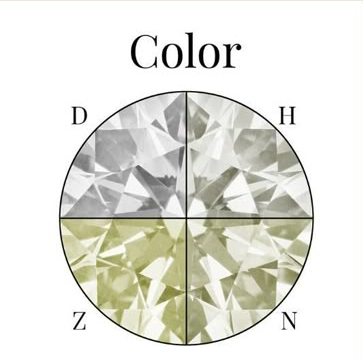
3. Color: The Ice Factor
The GIA color grading system measures the absence of color in a diamond. The scale ranges from D (completely colorless, resembling a drop of pure water) to Z (light yellow or brown tint). Colorless stones are exceedingly rare and highly valued.
Diamond Color Scale: D (Colorless) to Z (Light Color)
Setting choice is key here. For instance, the best diamond color yellow gold setting is often in the I-J range (or even K), because the yellow gold metal naturally masks the warm yellow tint of the diamond. Conversely, white gold or platinum settings demand a colorless or near-colorless grade (D-H) to avoid showing color contrast.
Colorless (D-F): Icy white. Rarest and highly sought after.
Near Colorless (G-H): Excellent value. Virtually indistinguishable from colorless unless placed side-by-side with a D grade.
Faint Tint (I-J): Shows a very warm undertone, which can look beautiful depending on the setting.
Pro Tip:
For white gold or platinum settings, go G-H. For yellow or rose gold settings, I-J works beautifully as the metal naturally masks the warmth in the stone!
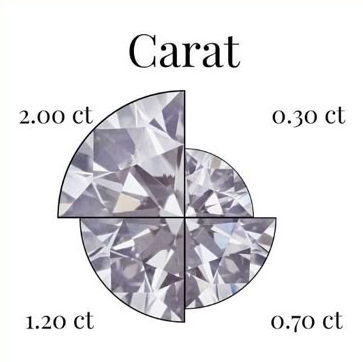
4. Carat: Size vs. Smart
Carat refers specifically to the weight of the diamond, not its physical dimensions. One carat is equal to 0.2 grams. Because larger diamonds are rare in nature, the price of a diamond increases exponentially as carat weight rises. Knowing this is key when learning how to buy a diamond on a budget.
Carat Weight: Visual Size Comparison
It is important to remember that cut also dictates visual size: a shallow, poorly cut diamond may look larger face-up but will lack brilliance, while an ideally cut diamond maximizes both light reflection and correct visual spread.
Pro Tip:
Consider buying slightly below popular weight thresholds (e.g., 0.90 carat instead of a full 1.00 carat). The visual size difference is imperceptible, but the price drop is significant!
Quick Cheat Sheet: What to Remember
Cut: Sparkle > everything else. Never compromise on this grade!
Clarity: VS2/SI1 = eye-clean. Save money by choosing these grades.
Color: G-H for solitaire settings, I-J works perfectly in paved or yellow gold jewelry.
Carat: Prioritize cut over size. A smaller, fiery diamond always outshines a dull, larger rock!
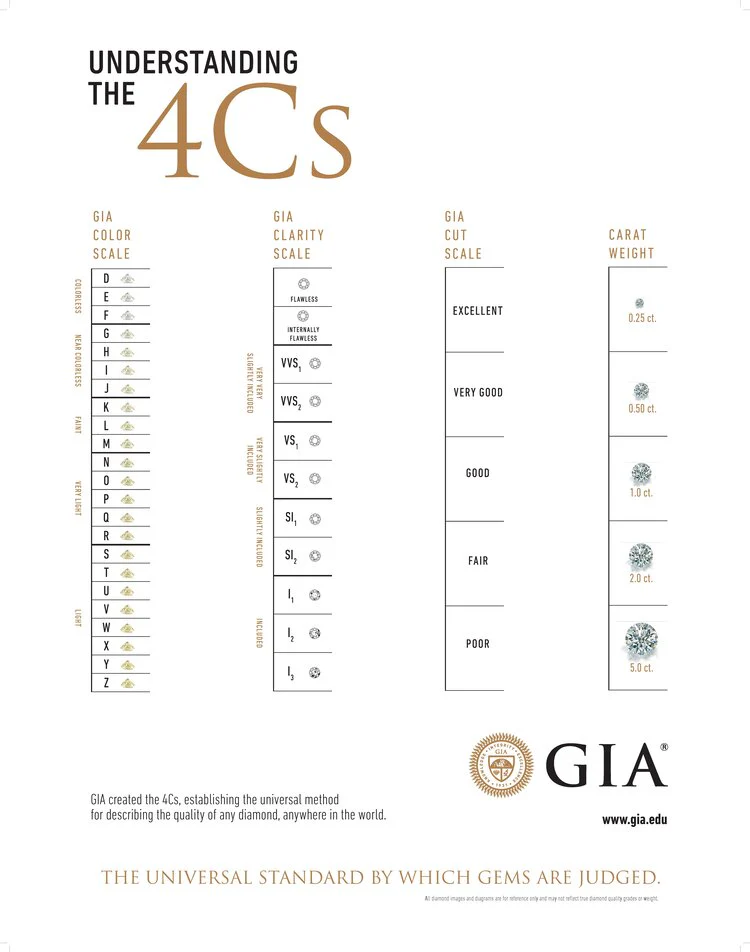
GIA 4Cs Reference Guide
The Final Word
The 4Cs work together like a recipe. A diamond with a great cut, good color, and smart clarity will outshine a poorly cut “perfect” stone. When selecting your diamond, always ask for an independent GIA Certificate—it is your gemstone’s official report card, guaranteeing the authenticity and quality of your investment.
Beyond their timeless beauty and elegance, GIA certified loose diamonds offer enduring value and a wise investment for the future. May your life be adorned with the sparkle of timeless brilliance.